| Growing tips |
 |
Beans - This traditional crop loves plenty of water in hot weather. There are several types, snap, bush and pole. Bush beans make an attractive border to any garden. Place along the edge of fences or place teepees around them to give them something to grab on to and grow upwards. They produce particularly large yields that are perfect fresh, frozen or canned. The best tip for beans, is pick early and pick often. As the larger pods are removed, several new ones appear to replace them quickly. We recommend 5-6 plants per person for the average family. |
|
| Cucumbers- Cucumbers do best in rich moist soil. Plants need to be watered throughout the growing season; under watered plants tend to produce undersized, misshaped fruits. Mulching helps to keep plants moist, and to prevent fruits from discoloring when lying on the ground. Cucumber vines are notorious climbers. Place along fences or trellises to save room in small spaces. Place stepping stones in your garden and train the vines around them. Cucumbers are best picked young, once they turn yellow when the seeds harden and loose thief flavor. Pick often to stimulate new growth. Recommend?? per person.. |
 |
|
 |
Eggplant - Eggplants love a long warm growing season. They can tolerate frost more than most vegetables. Harvest while fruit is plump and glossy. When it looses it’s sheen it is over ripe and can taste bitter. Three to six plants will yield enough fruit for the average family. |
|
| Lettuce - To keep your lettuce tender and free from bitterness, give your plants plenty of water, and frequent doses of nitrogen rich fertilizer. For best results, plant in an area with some shade. Recommend 10-12 heads for the average family. |
 |
|
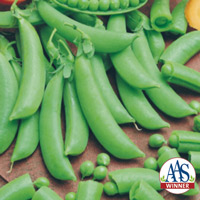 |
Peas - Peas will grow in just about any soil type, but thrive when there is some compost or organic matter. Make sure they get plenty of water, mulch often helps to retain moisture. Peas tend to grow tall, so make sure they have something like a fence or a trellis to climb. Pick peas when the pods are well filled but the peas inside are not hard. If left on the vines to long, they become tough and loose their flavor. They are best cooked right after picking. |
|
| Peppers – Sweet or hot, there is a pepper for almost every culinary need. They may have different characteristics, but they have very similar growing habits. They do best in slightly acidic soil, full sun, and need plenty of moisture. If peppers do not get enough moisture, they tend to drop their flower sets. Pepper fruits tend to set up when nighttime temperatures are between 60-70 degrees. Be careful when harvesting. Peppers tend to have delicate branches, use a knife to remove the fruits to avoid snapping off a branch when picking. |
 |
|
 |
Tomatoes - Need a long growing season with moderate temperatures, night time lows need to between 60 to 75 degrees for tomato flowers to set. Grow along a trellis or in a tomato cage in order to have a secure base to stake the plant as it grows. Weather you choose a canning or a salad variety, we recommend three to five plants of each variety for the average family. |
|
| |


